Modern Perfume Bottle Packaging Supports Beautiful Fragrance Displays

Beautiful fragrance displays begin with packaging that combines elegance, creativity, and practical design. A well-crafted perfume bottle enhances the visual appeal of a fragrance while creating an attractive presentation for personal collections and retail displays. From stylish glass finishes to sophisticated decorative details, every element contributes to a memorable appearance. Modern Perfume Bottle Packaging brings together contemporary aesthetics and thoughtful craftsmanship, helping fragrance collections stand out through beautiful and refined presentation.

Contemporary Designs Enhance Visual Appeal

Modern bottle designs introduce fresh shapes and attractive details that complement different fragrance styles. Clean lines, balanced proportions, and artistic silhouettes create an elegant appearance. These design elements also help transform fragrance bottles into decorative pieces that enhance display arrangements.

Popular contemporary design features include:

  • Geometric silhouettes with elegant proportions.
  • Smooth curves that create a graceful appearance.
  • Minimalist structures for sophisticated presentation.
  • Artistic glass shapes that attract attention.
  • Distinctive bottle profiles that highlight individuality.

Premium Glass Creates Elegant Displays

Glass is an excellent packaging material because of its clarity, versatility, and luxurious appearance. Its reflective qualities allow fragrance colors to become part of the overall design. Carefully finished glass surfaces also contribute to an attractive display that highlights the beauty of each fragrance collection.

Beautiful glass packaging options include:

  • Transparent glass for timeless elegance.
  • Frosted finishes for a soft, luxurious appearance.
  • Colored glass for attractive visual variety.
  • Thick glass bases for a premium impression.
  • Textured surfaces for additional decorative appeal.

Sophisticated Caps Complete The Presentation

Bottle caps are important decorative elements that bring the entire packaging design together. Their shape, material, and finish can complement the bottle’s structure while adding an exclusive touch. Coordinated closures create a balanced appearance and make fragrance displays more visually appealing.

Attractive cap styles include:

  • Metallic caps with polished finishes.
  • Crystal-inspired designs for glamorous presentation.
  • Wooden caps for natural elegance.
  • Sculpted closures with artistic detailing.
  • Minimalist caps for contemporary collections.

Attractive Colors Highlight Fragrance Collections

Color combinations help establish the visual personality of fragrance packaging. Carefully selected shades create harmony across different bottles and make displays more engaging. Soft tones, rich colors, and transparent finishes offer plenty of creative possibilities for beautiful presentations.

Popular color choices include:

  • Rose gold for a warm and elegant appearance.
  • Soft pink for delicate visual charm.
  • Deep blue for sophisticated presentation.
  • Amber for classic warmth and richness.
  • Clear glass for a clean and refined look.

Thoughtful Packaging Supports Beautiful Arrangements

Well-designed packaging makes fragrance collections easier to organize and present attractively. Consistent design elements create visual harmony, while distinctive details give every bottle its own character. Exploring https://www.daxinglassbottles.com/es/ can offer inspiration for attractive glass packaging styles and creative presentation ideas.

Additional packaging details that enhance displays include:

  • Coordinated bottle sizes for balanced arrangements.
  • Elegant labels with clear typography.
  • Decorative finishes that complement fragrance themes.
  • Carefully designed shapes for attractive positioning.
  • Gift-ready packaging for special collections.

Conclusion

Beautiful fragrance displays reflect the creativity and quality behind their packaging. Combining premium glass, contemporary silhouettes, sophisticated caps, and attractive colors creates an impressive presentation. Modern Perfume Bottle Packaging supports elegant fragrance collections by bringing together visual beauty, thoughtful details, and practical design. With creative packaging choices, every bottle can become an attractive display feature that celebrates fragrance and adds lasting sophistication to any collection.
Modern Waterfront Living Becomes Better With Floating Dock Installations

Waterfront properties offer unique opportunities to enjoy beautiful surroundings, convenient water access, and relaxing outdoor experiences. Creating a functional waterfront environment requires thoughtful planning and suitable infrastructure that complements the natural setting. Floating dock installations provide an attractive solution by combining accessibility, flexibility, and practical functionality. Their adaptable designs help property owners transform waterfront areas into welcoming spaces for recreation, relaxation, and everyday enjoyment.

Enhancing Waterfront Accessibility

Convenient access to the water is an important feature of comfortable waterfront living. Floating docks create stable platforms that make approaching boats, enjoying recreational activities, and spending time near the water easier. Their adaptable structures accommodate changing water levels while supporting convenient movement.

Important accessibility benefits include:

  • Providing convenient boarding areas for different watercraft.
  • Creating comfortable pathways between shorelines and boats.
  • Supporting easier movement for recreational activities.
  • Offering adaptable access during changing water conditions.
  • Improving the overall functionality of waterfront properties.

Creating Attractive Outdoor Living Spaces

Modern floating dock designs contribute to the visual appeal of waterfront properties. Their clean layouts, practical configurations, and carefully selected materials create inviting outdoor environments. Property owners can incorporate seating areas and recreational features to make their waterfront surroundings more enjoyable.

Attractive design possibilities include:

  • Spacious platforms for relaxation and outdoor gatherings.
  • Contemporary layouts that complement natural surroundings.
  • Comfortable areas for enjoying peaceful waterfront views.
  • Integrated seating arrangements for social activities.
  • Custom configurations that suit individual property requirements.

Supporting Versatile Recreational Activities

Floating docks provide valuable spaces for enjoying various water-based activities. Their flexible designs accommodate different recreational interests while creating convenient locations for spending quality time outdoors. Families and waterfront property owners can enjoy greater opportunities for relaxation and recreation.

Popular recreational applications include:

  • Convenient spaces for swimming and water access.
  • Dedicated areas for kayaking and paddleboarding.
  • Secure locations for temporary boat docking.
  • Comfortable platforms for fishing and relaxation.
  • Additional outdoor space for family entertainment.

Delivering Flexible and Adaptable Performance

One significant advantage of floating dock installations is their ability to adjust to changing water levels. Unlike fixed structures, floating systems move with the water while maintaining their intended functionality. This adaptability makes them valuable for waterfront environments with varying conditions.

Their practical features offer several advantages:

  • Modular sections allow flexible dock configurations.
  • Expandable layouts accommodate changing requirements.
  • Adaptable flotation systems support different applications.
  • Durable construction materials encourage long-term performance.
  • Convenient installation designs support efficient property development.

Choosing Suitable Floating Dock Features

Selecting an appropriate floating dock involves considering intended activities, available waterfront space, water conditions, and preferred design features. Careful material selection and structural planning help create an installation that delivers dependable performance and attractive functionality. Exploring https://www.hiseadock.com/fr/ can provide additional insights into floating dock solutions and their design possibilities.

Useful selection considerations include:

  • Quality flotation components for dependable buoyancy.
  • Durable decking materials for outdoor environments.
  • Suitable dimensions for intended watercraft.
  • Secure connection systems for improved stability.
  • Practical layouts that support convenient maintenance.

Improving Waterfront Experiences Through Modern Docking

Floating dock installations bring together functionality, visual appeal, and recreational convenience. Their adaptable construction creates valuable waterfront spaces while supporting comfortable access to the water. With suitable planning, durable materials, and thoughtful configurations, these installations can enhance everyday property experiences.

Modern floating docks offer an appealing way to make waterfront environments more accessible, attractive, and enjoyable. Their versatility supports diverse activities while adding lasting practical value to outdoor living spaces.

Choosing Suitable Butterfly Valves for Different Applications

Selecting suitable butterfly valves is an important step in developing efficient fluid control systems. These valves offer a practical combination of compact construction, reliable flow regulation, and convenient operation. Their versatility makes them suitable for various industrial applications involving water, air, gases, and compatible fluids. Understanding application requirements helps ensure better performance, operational consistency, and long-term equipment reliability.

Understanding Different Butterfly Valve Types

Butterfly valves are available in several designs, each offering specific advantages for different operating conditions. Choosing the appropriate construction helps achieve dependable flow control.

Common types include:

  • Concentric Butterfly Valves: Suitable for general-purpose applications involving moderate pressure and temperature conditions.
  • Double Offset Butterfly Valves: Designed to provide reduced seat friction and improved sealing performance.
  • Triple Offset Butterfly Valves: Appropriate for demanding applications requiring reliable metal-to-metal sealing.
  • Wafer Butterfly Valves: Offer compact installation between pipeline flanges and help optimize available space.
  • Lug Butterfly Valves: Provide convenient installation arrangements and support certain pipeline maintenance requirements.

Evaluating these options helps operators select valve designs that match their system requirements.

Important Factors When Choosing Butterfly Valves

Several technical considerations influence valve selection. Reviewing these factors helps improve compatibility and operational efficiency.

  • Operating Pressure: Select a valve with a pressure rating suitable for the system’s working conditions.
  • Temperature Requirements: Consider fluid temperature to ensure that valve materials and sealing components remain suitable.
  • Fluid Characteristics: Evaluate whether the application involves clean water, air, chemicals, or other compatible media.
  • Flow Requirements: Choose an appropriate valve size to maintain the required flow capacity and regulation.
  • Material Compatibility: Consider body, disc, and seat materials according to fluid properties and operating conditions.
  • Connection Type: Check pipeline arrangements to ensure convenient installation and proper alignment.
  • Operating Method: Determine whether manual, pneumatic, or electric actuation best supports application requirements.

Why Valve Dimensions Matter

Accurate dimensions contribute significantly to successful valve installation and dependable pipeline performance. Important measurements include:

  • Nominal valve diameter.
  • Face-to-face dimensions.
  • Flange connection measurements.
  • Disc clearance requirements.
  • Overall valve height and width.
  • Stem dimensions and actuator compatibility.

Reviewing technical specifications and resources such as https://www.vincervalve.com/butterfly-valve-dimensions/ can help professionals understand dimensional requirements and make informed selection decisions.

Matching Butterfly Valves to Different Applications

Different operating environments benefit from carefully selected valve configurations.

  • Water Distribution: Choose suitable materials and sealing designs for dependable water flow management.
  • HVAC Systems: Compact butterfly valves support efficient circulation and convenient installation.
  • Chemical Processing: Select compatible construction materials according to the fluid’s chemical properties.
  • Industrial Manufacturing: Consider pressure ratings, operating frequency, and automation requirements.
  • Air Handling Systems: Lightweight designs can provide practical flow regulation for compatible air applications.

Improving Long-Term Valve Performance

Proper installation and regular maintenance help preserve valve functionality and support consistent operation.

Recommended practices include:

  • Inspect seals and connections periodically.
  • Maintain clean operating conditions.
  • Check actuator functionality regularly.
  • Follow recommended installation procedures.
  • Monitor pressure and temperature variations.
  • Replace worn components when necessary.

Conclusion

Choosing suitable butterfly valves requires careful consideration of application conditions, dimensions, materials, pressure ratings, and operating requirements. By evaluating these factors and following appropriate maintenance practices, businesses can achieve reliable flow control, improved equipment compatibility, and efficient performance across different industrial applications.

Regular Solenoid Valve Inspections Promote Consistent Industrial System Performance

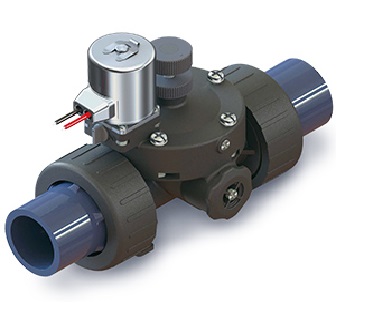
  1. Reliable industrial operations depend on properly functioning components that support smooth fluid and gas control. Solenoid valves play an important role in regulating flow, maintaining pressure, and supporting automated processes. Regular inspections help maintain their performance, improve operational consistency, and create a more dependable working environment. A proactive maintenance approach also helps industries achieve better equipment reliability and long-term efficiency.

Importance of Regular Solenoid Valve Inspections

Routine inspections allow maintenance teams to understand the overall condition of solenoid valves and identify opportunities to improve their performance. Consistent monitoring supports stable operation and helps prevent minor concerns from affecting connected equipment.

    • Maintains dependable valve operation during regular production activities.
    • Supports accurate fluid and gas flow regulation.
    • Helps identify wear and component deterioration early.
    • Promotes consistent performance across connected industrial systems.
    • Encourages effective preventive maintenance practices.

Early Identification Supports Better Reliability

Pneumatic Valve Technology

Identifying unusual operating conditions at an early stage helps maintain equipment reliability. Visual assessments and functional checks provide useful information about valve condition, allowing maintenance teams to address developing concerns before they interrupt normal operations.

Understanding common https://www.vincervalve.com/solenoid-valve-failure-symptoms/ also helps maintenance professionals recognize potential performance changes and maintain dependable operating conditions.

    • Check for visible leakage around valve connections.
    • Observe unusual sounds during valve operation.
    • Inspect electrical connections for secure fitting.
    • Monitor response consistency during activation and deactivation.
    • Examine external surfaces for corrosion or physical damage.

Maintaining Cleanliness and Component Condition

Clean operating conditions contribute significantly to solenoid valve efficiency. Dust, moisture, and unwanted particles can affect internal components and influence valve responsiveness. Regular cleaning and careful inspection help preserve component condition while supporting smooth operation.

    • Keep external valve surfaces clean and free from accumulated debris.
    • Inspect seals and gaskets for general condition.
    • Check connections for secure installation.
    • Maintain suitable environmental conditions around the equipment.
    • Ensure surrounding components remain properly aligned.

Electrical Inspection Improves Operational Consistency

Electrical components play an essential role in solenoid valve functionality. Proper electrical connections support reliable coil operation and consistent valve response. Periodic electrical inspections help maintain dependable activation while supporting the overall performance of automated industrial systems.

    • Examine wiring connections for secure attachment.
    • Inspect coils for visible signs of deterioration.
    • Verify that electrical connections remain properly insulated.
    • Check operating voltage against specified requirements.
    • Maintain suitable electrical protection for connected equipment.

Preventive Maintenance Encourages Long-Term Efficiency

A structured maintenance schedule creates opportunities to evaluate equipment condition and maintain consistent industrial performance. Combining regular inspections with appropriate servicing helps improve operational reliability and supports effective resource utilization.

    • Establish inspection schedules based on operating conditions.
    • Maintain accurate maintenance records.
    • Replace worn components with suitable alternatives.
    • Follow recommended operating and maintenance guidelines.
    • Encourage regular communication among maintenance personnel.

Supporting Productivity Through Consistent Monitoring

Well-maintained solenoid valves contribute to smoother industrial processes and dependable equipment operation. Regular inspections help reduce unexpected interruptions, support consistent flow control, and improve confidence in connected systems.

By prioritizing preventive maintenance, industries can strengthen equipment reliability, encourage efficient operations, and maintain productive working environments. Consistent attention to valve condition ultimately supports long-term industrial performance and sustainable operational success.