Tin Can Sealing Machine Features Supporting Reliable Operations
Consistent sealing plays an important role in maintaining packaging quality and supporting smooth production workflows. A well-designed tin can sealing machine combines practical features that help create secure closures, maintain steady output, and simplify routine operation. With dependable construction and user-friendly controls, modern sealing equipment can support different production requirements while promoting efficiency. Careful attention to sealing accuracy, operating stability, and maintenance accessibility helps businesses achieve reliable packaging results. Selecting suitable equipment with valuable functional features can also contribute to organized workflows, improved productivity, and consistent finished products.
Precise Sealing Performance
Accurate sealing mechanisms help maintain uniform closure quality across repeated production cycles.
- Consistent seam formation supports dependable package integrity.
- Controlled sealing pressure promotes uniform results.
- Accurate positioning helps maintain proper can alignment.
- Stable operation supports continuous packaging activities.
- Adjustable settings allow flexibility for suitable can requirements.
These capabilities make the sealing process more predictable and efficient.
Strong Construction For Durability
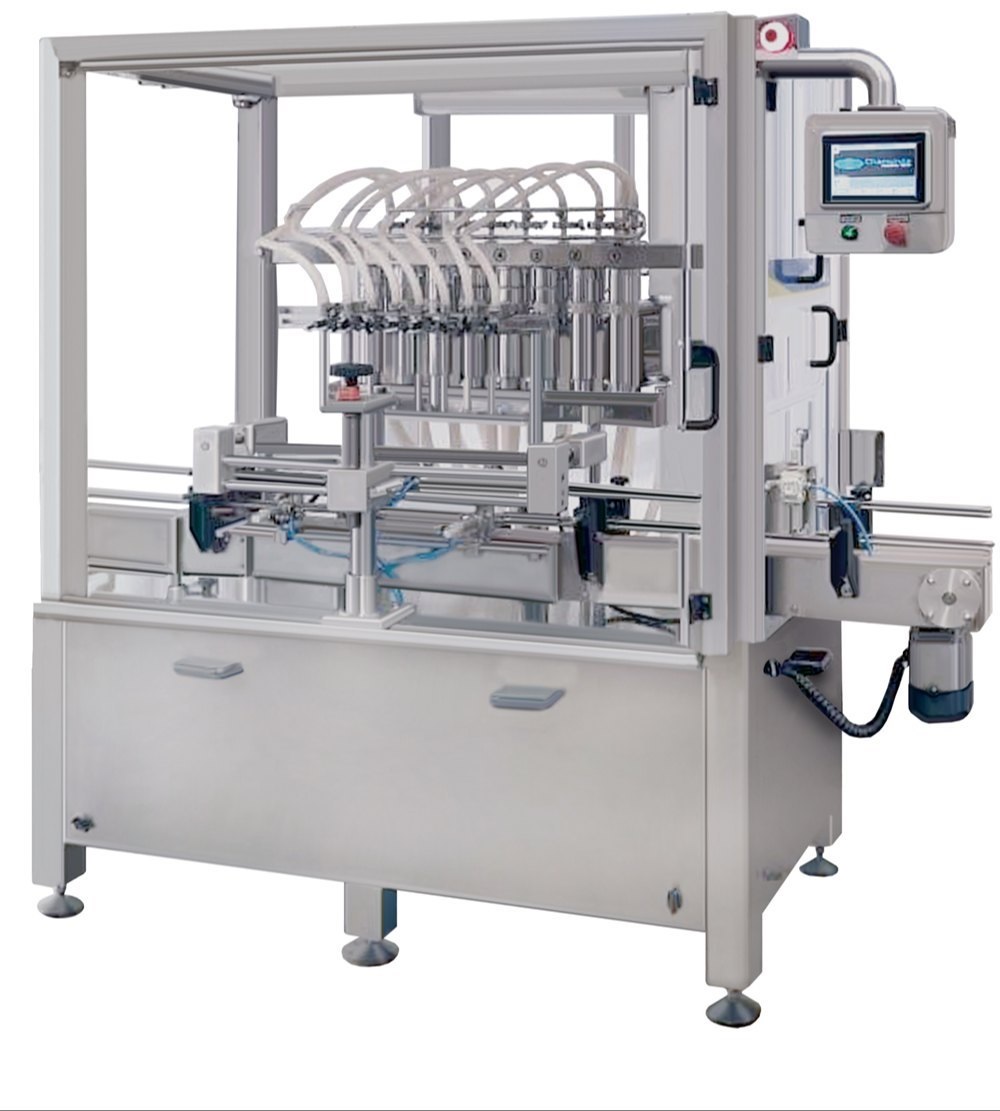
Durable machine construction supports dependable performance during regular production activities.
- Robust components encourage long-term operational stability.
- Quality contact parts support repeated sealing cycles.
- Stable machine frameworks help reduce unnecessary movement.
- Practical component layouts simplify routine inspections.
- Reliable mechanical performance supports steady production schedules.
Durability also helps maintain consistent operation as packaging demands increase.
Convenient Operation And Adjustment
User-friendly features can make equipment easier to operate and adapt to changing production needs. Useful resources such as https://www.levapack.com/tin-can-sealing-machine-for-your-production/ can provide additional information when evaluating suitable sealing solutions.
- Simple controls make routine operation straightforward.
- Quick adjustments support different production requirements.
- Accessible settings help operators maintain desired sealing conditions.
- Clear operating functions encourage smooth workflow management.
- Easy changeovers can improve production flexibility.
Efficient Production Support
Reliable sealing equipment can contribute to better workflow continuity and productive packaging operations.
- Steady operating speeds help maintain organized output.
- Continuous sealing capability supports regular production schedules.
- Reduced manual intervention can improve workflow efficiency.
- Consistent performance helps minimize packaging variations.
- Flexible operation supports different production volumes.
These features can help create a balanced process from filling through final packaging.
Maintenance Friendly Features
Accessible maintenance features support dependable performance and help keep equipment ready for regular use.
- Easy-to-access components simplify routine servicing.
- Straightforward cleaning supports hygienic packaging practices.
- Replaceable wear components help maintain operating consistency.
- Simple inspection points make routine checks convenient.
- Organized machine layouts support efficient maintenance activities.
Supporting Reliable Packaging Results
A tin can sealing machine with precise sealing, durable construction, convenient controls, efficient operation, and maintenance-friendly features can provide valuable support for consistent packaging workflows. By focusing on these practical capabilities, production teams can encourage dependable performance, improve operational efficiency, and maintain uniform sealing quality across repeated cycles. The right combination of features creates a reliable foundation for productive and well-organized packaging operations.
